Money Managers See Value in Clean Energy Sector, but Hesitate to Call the Bottom
Tom Konrad CFA Three green stock specialists see individual stocks at attractive values, but think it's too soon to call the bottom for the sector as a whole. Last month, I wrote that I'm again finding clean energy stocks that I think are bargains, and listed ten. I was not ready to call a bottom for clean energy, and in fact said I expected the market to get worse before it gets better, so investors should keep some money on the sidelines to wait for more opportunities to emerge. In a little over a month...
Asking the Right Questions: Why Invest in Clean Energy?
Tom Konrad, Ph.D., CFA Often, knowing more about a company is less useful than knowing just a few of the right things. Knowing the right questions to ask can help investors wade through a sea of mostly irrelevant information. Take a moment to answer the following poll: Suppose you want to know if fictional solar Company MySolar will outperform other solar stocks. Which fact would be most useful in your decision?(poll) The key to this question was the stated goal of "outperforming other solar stocks." An investor who is only hoping to achieve returns equal...
Navigating the Clean and Bloody Streets of Europe
Tom Konrad CFA Blood In the Streets Walter Rothschild, 2nd Baron Rothschild Image via Wikipedia Baron Rothschild was an 18th century British nobleman who supposedly originated the phrase "Buy when there's blood in the streets, even if the blood is your own." Although accounts differ, Rothschild was a successful banker, and supposedly made a fortune buying in the panic that followed the Battle of Waterloo against Napoleon. True or not, the...
With the Cleantech Hype Gone, the Real Investment Opportunity Begins
David Gold The bubble has burst. The hype and euphoria of 2008 and 2009 is a distant memory. Fueled in part by the externality of the handouts from the stimulus package, and the (now fleeting) spike of natural gas and oil prices, cleantech has experienced its own mini dotcom era now followed by a dot bomb phase. The politicization of Solyndra, the fracking revolution (that has dramatically increased U.S. fossil fuel reserves) and the realities of what it takes to build successful cleantech companies have all brought the cleantech venture capital space crashing back to earth....
Neutralizing Your Peak Oil Risk
by Tom Konrad Lifestyle Risks from Peak Oil In the US, we all have a large exposure to the risk of rising energy prices. In addition to the cost of gasoline, the whole US economy runs on oil, so a rise in the oil price is likely to affect our jobs, and the prices of all our assets, including our homes. If other people have less money to spend and invest because of high oil prices, there will be a fall in demand for anything they were buying or investing in. House prices in exurbs and suburbs where the...
An Investor’s Reaction to a Trump Victory
See my response here: https://www.greentechmedia.com/articles/read/how-one-clean-energy-investor-is-reacting-to-a-trump-victory Tom Konrad
Your Portfolio is Hooked on Fossil Fuels
Garvin Jabusch Oil addiction photo via BigStock You are drilling for oil and natural gas, and you probably don’t even know it. What, you say you’ve never been near a drilling rig, and aren’t even sure what one looks like? You’re still drilling, because companies you own are drilling. Many financial advisors and asset managers routinely assume that broadly diversified stock portfolios will have holdings in fossil fuels companies. Even most stock mutual funds that identify themselves as ‘green’ funds contain natural gas and even oil holdings. This...

Opportunity Hiding in Plain Sight
Information asymmetry, climate investing and the active management edge.
By Garvin Jabusch
The theory of efficient markets says all stock prices are perpetually accurate, because investors always have complete and up-to-date information about their holdings.
But as any casual observer knows, information and topical awareness are not evenly distributed, even among professional analysts. Reality is always far more complicated than equity markets can quickly assimilate, meaning information asymmetry is a constant. While usually considered a type of market failure, information asymmetry is frequently used as a “source of competitive advantage.” The person with the most information is best equipped to make the best...
Green Energy Investing For Beginners, Part I: Stocks, Mutual Funds, or ETFs
Tom Konrad CFA Investing in green energy can be good for both the climate and your wallet. How good depends on choosing the right investment vehicles (mutual funds, ETFs, or stocks) and sectors to invest in. This will get you started. More and more investors are investing in green energy. According to the Cleantech Group, the Cleantech sector is now the largest sector for venture capital investment. Green Energy is not just for venture capitalists. Small investors have done well in 2009. Since the market bottomed at the start of March, the average green energy mutual fund topped...
Pop Goes the Clean Energy Stock Bubble
by Tom Konrad, Ph.D., CFA
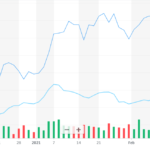
2020 ended with a massive spike in clean energy stock prices. From the end of October, election euphoria drove Invesco WilderHill Clean Energy ETF (PBW) from $63.32 to $136 at the close on February 9th, a 114% gain in 100 days.
Joe Biden is as strong a supporter of clean energy as Donald Trump was a supporter of big fossil fuel companies, but even with control of the presidency and both chambers of congress, there is a limit to what a president can do in a short time. This is especially true when their top priority...
The Black Swan and My Hedging Strategy
Tom Konrad, Ph.D., CFA Nassim Nicholas Taleb's The Black Swan: The Impact of the Highly Improbable changed the way I trade; I can't give a book higher praise. This isn't a book review; since the book is over two years old, and I did not get around to reading it until this Spring, I direct readers to this Foolish Book Review, which agrees with my viewpoint quite well, and to the New York Times for a detailed critique. The latter seemed overly nit-picky to me, but then I'm a fan. Human Biases Recently,...
Do You Need To Invest In Oil To Benefit From Expensive Oil?
Two months ago, Tom told us how he'd dipped a toe into the black stuff (i.e. bought the OIL etf) on grounds that current supply destruction related to the depressed price of crude oil would eventually lead to the same kind of supply-demand crunch that led oil to spike during the 2004 to mid-2008 period. If you need evidence that the current price of crude is wreaking havoc in the world of oil & gas exploration, look no further than Alberta and its oil sands. The oil sands contain the second largest oil reserves in the world after...
UltraPromises Fall Short
When I first came across ProShares' UltraShort ETFs, I thought they were a brilliant idea. They seem to promise a multitude of advantages for investors: The ability to hedge market or sector exposure without having to go short. (Going short requires a margin account, and US law prohibits the use of margin in most retirement accounts.) They should have a better risk profile than shorting. With an UltraShort, you can't lose more than your initial investment. With true shorting, the potential losses are unlimited. As the underlying index rises, each percentage gain creates a smaller dollar fall, while...
Green Energy Investing For Beginners, Part IV: Model Portfolio
Tom Konrad, CFA My target sector allocation for Green Energy Sectors: How much to put in Solar, Wind, Geothermal, Biomass, Biofuels, Energy Efficiency, Alternative Transport, and enabling technologies such as Smart Grid and Transmission. In Part I of this series on green energy investing (see also Part II and Part III), I suggested readers "structure your portfolio to reflect the technologies which are actually going to make a difference." This is not the same as investing in a market portfolio, because the market tends to overemphasize the most exciting or familiar (as opposed to the most useful) technologies. This...
The Big Short and Picking a Money Manager
If you're going to have someone else manage your money, consider their incentives carefully. I just finished reading Micheal Lewis's excellent book The Big Short: Inside the Doomsday Machine on the Wall Street's role in the subprime mortgage meltdown and the few investors who saw it coming. I began with a low opinion of the effectiveness of the vast majority fund managers and advisors who manage other people's money for a living, but the the highly-paid gross negligence and/or incompetence of the people running the CDO operations of the big Wall Street banks in the years leading...
Calling for a Marshall Plan, not a Manhattan Project
Electricity too cheap to meter. For many renewable energy advocates, that is the holy grail… new technology which will not only solve the problem of carbon emissions, but be so transformative that we no longer have to worry about turning off the lights when we leave the room. We could argue for days about the viability of any such technology, be it cold fusion, hydrogen, or photovoltaic nanodots. I personally have strong opinions about the likelihood of any technology to produce energy so cheaply that it would not make sense to use some mechanism...